
Guided by a Certified Military Relocation Professional (MRP).
Buying a home with a VA loan is one of the strongest benefits available to eligible service members and veterans. When used correctly, it allows you to purchase with little to no money down while staying competitive in today’s market.
The key is understanding how it works and how to position yourself the right way from the start.
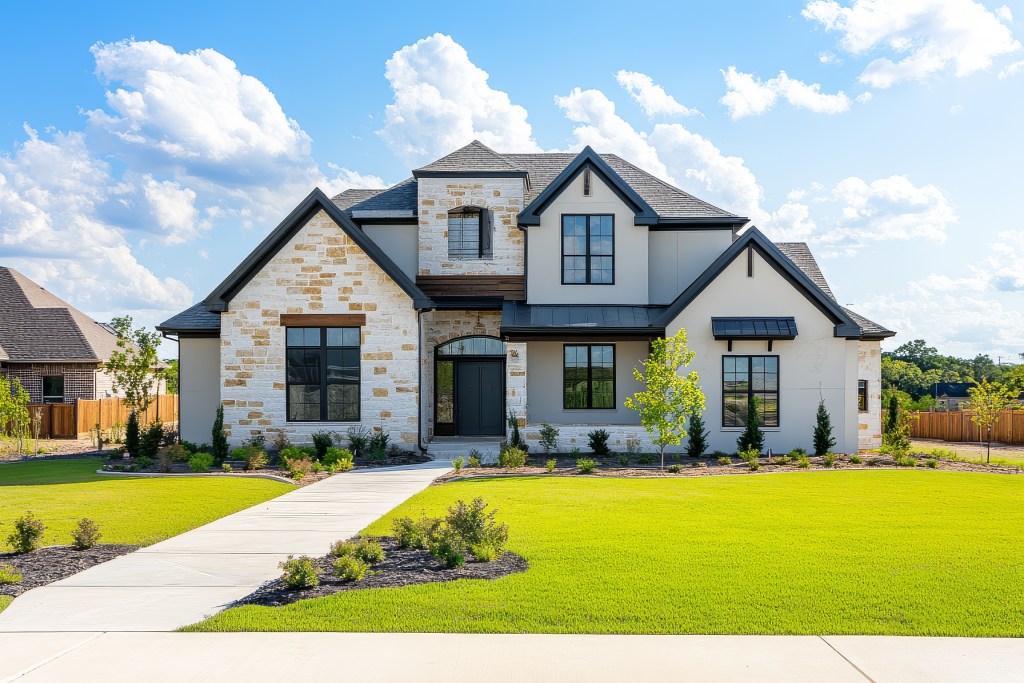
A VA loan is a government-backed loan designed for eligible veterans, active-duty service members, and certain military spouses.
Instead of requiring a large down payment, the VA guarantees a portion of the loan, which allows lenders to offer more flexible terms.
In most cases, you can finance 100% of the home's value, keeping your capital for other needs.
Unlike conventional loans with less than 20% down, VA loans never require monthly mortgage insurance.
VA loans consistently offer some of the lowest average interest rates on the market.
VA guidelines are often more lenient regarding credit scores and financial history than traditional loans.
Eligibility is generally based on the length of service and the nature of your discharge. Your Certificate of Eligibility (COE) is the formal document that proves to lenders you qualify.
Currently serving members who have met the minimum service requirements, typically 90 continuous days.
Those who have completed their service with a discharge other than dishonorable.
Those who have completed their service with a discharge other than dishonorable.
Members of the Guard and Reserve who meet specific time-in-service criteria or active-duty activation.
The biggest advantage is the ability to purchase without a down payment, but there is more to it than that.
This can be a powerful way to build long-term wealth.
Entitlement is the dollar amount the VA guarantees to your lender if you default on your loan. Most veterans have **Full Entitlement**, meaning the VA doesn’t set a specific limit on how much you can borrow without a down payment (provided you qualify based on income and credit).
Remaining Entitlement applies if you’ve used a VA loan before and still own the home or if you have a “rental plan” for your current VA-financed property. Even with partial entitlement, you can often still use a VA loan for your next purchase, though a small down payment might be required.
Understanding your entitlement is the first step in calculating your buying power, especially if you plan to keep your current home as a rental.
While the VA loan allows for $0 down, it is not a “cost-free” transaction. You should be prepared for:
Lender fees, title insurance, etc.
Homeowners insurance & property taxes.
A one-time fee paid to the VA to sustain the program. This fee is often waived for veterans with a 10% or higher service-connected disability rating.
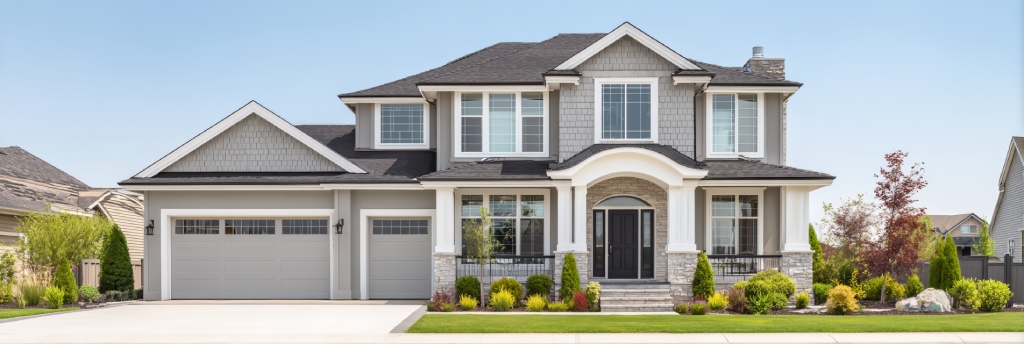
Before you start looking at homes, getting pre-approved is essential.
This gives you:
A clear understanding of your price range
Confidence when submitting an offer
The ability to move quickly when you find the right home
I also go beyond just approval and talk through what monthly payment feels right for you.

Not every home will qualify for a VA loan. The property must meet VA minimum property standards, which focus on safety and livability.
This includes:
Functional systems (roof, electrical, plumbing)
No major safety concerns
Overall livable condition
Homes in poor condition may require repairs before closing.
There is a misconception that VA offers are weaker. That is not the case when structured correctly.
A strong VA offer includes:
The way your offer is presented matters just as much as the terms.
The VA appraisal serves two purposes:
If the value comes in lower than the purchase price, we have options:
If repairs are required, they must be completed before closing.
Inspections are separate from the VA appraisal and are always recommended.
This is your opportunity to fully understand the condition of the home.
After inspections, you can:
Request repairs
Ask for credits
Move forward as-is
Cancel within your contingency period if needed
A lot of buyers do not realize this, but your VA benefit is reusable.
You can:
This is especially relevant for relocation or military moves.
There are a few myths that come up often:
VA loans take longer to close
VA buyers cannot compete in multiple offer situations
VA loans are harder for sellers
In reality, when handled correctly, VA transactions can move just as smoothly as any other loan type.
As a certified Military Relocation Professional (MRP), Lynne has undergone specialized training to handle the complexities of PCS moves and VA financing. This means you’re working with someone who speaks your language—from BAH calculations to the technical requirements of the VA appraisal.

If you are considering using your VA loan to purchase a home, the first step is getting clear on your options and putting a plan in place.
Whether this is your first purchase or you have used your benefit before, I am here to guide you through the process and help you make a move that works for you.